
From entertainment to marketing and propaganda, poster-making has served various purposes throughout human history. Although perhaps now rolled up and gathering dust in the attic of history, posters were once a celebrated art form that drew practitioners from around the world.
Lithography, invented in Germany in 1798, remained underutilized for decades due to its slow and costly process, making it impractical for poster production. However, it was in France that this medium thrived, giving rise to innovative styles and a new art form.
In each country, posters celebrated society’s cultural institutions: in France, cafes and cabarets were omnipresent; in Italy, opera and fashion; in Spain, bullfights and festivals; in Germany, trade fairs and magazines; and in Britain and America, literary journals, bicycles, and circuses.
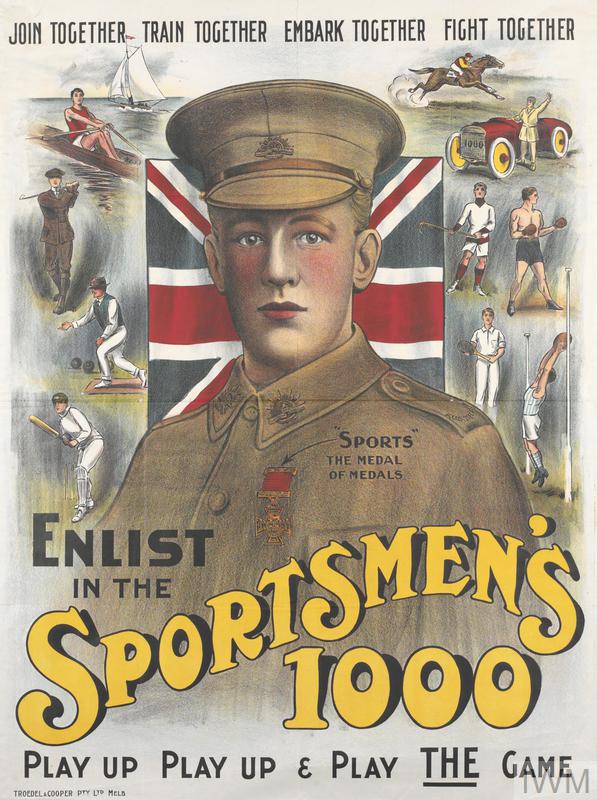
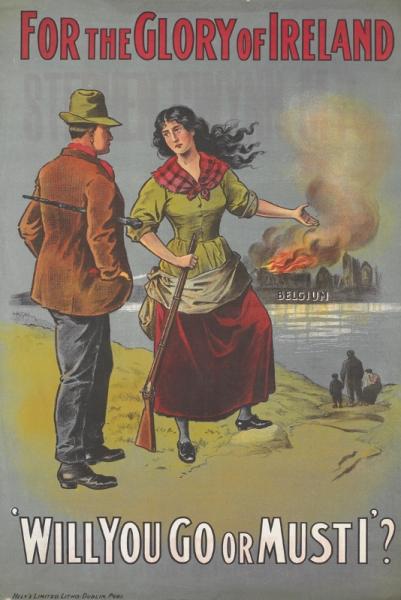
When World War I erupted, posters took on a new role as instruments of propaganda, promoting enlistment, encouraging volunteer efforts, and raising money. In the Soviet Union, propaganda posters became essential in shaping public opinion, reminding citizens of the Communist Party’s “great achievements” while demonizing the West.
For people of my generation, the only encounters with posters were typically Soviet ones found in grandparents’ drawers or in history books, on pages about totalitarian regimes. So, it’s understandable that we might associate them with something repellent.

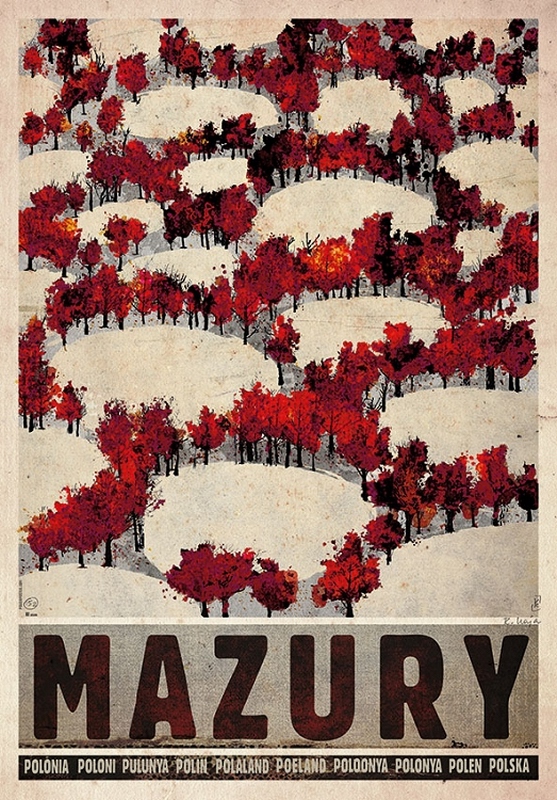
I was first introduced to posters as a form of art at an exhibition in Chișinău, at the National Museum of Art, where works by the Polish poster designer Ryszard Kaja were on display.
Only later, after some humble research, did I learn that, in the latter half of the twentieth century, a dynamic school of poster art developed in Poland. Known as the Polish School of Poster, it became famous for embracing Surrealism in its designs.
Ryszard Kaja was among the influential Polish poster designers. His unique perspective left a lasting impact on poster-making. Much of his inspiration was drawn from the world as seen through the prose of Bohumi Hrabal. His signature style is recognizable through its creative integration of cultural elements within a carefully restrained design.


Returning to the brief history of poster-making, don’t hesitate to look closer and read between the lines. While other art forms enjoyed the boundless freedom of the human spirit, posters had more grounded and technical purposes. Their creators often had to align their work with the demands of the time or with directives set by state authorities.




 The Fellow's Table
Leave a comment