
As the end of 2024 approaches, I thought of sharing some of the literary discoveries that shaped my past months. While some of these books came as recommendations from dear people, most were serendipitously picked off the shelves of libraries and bookstores.
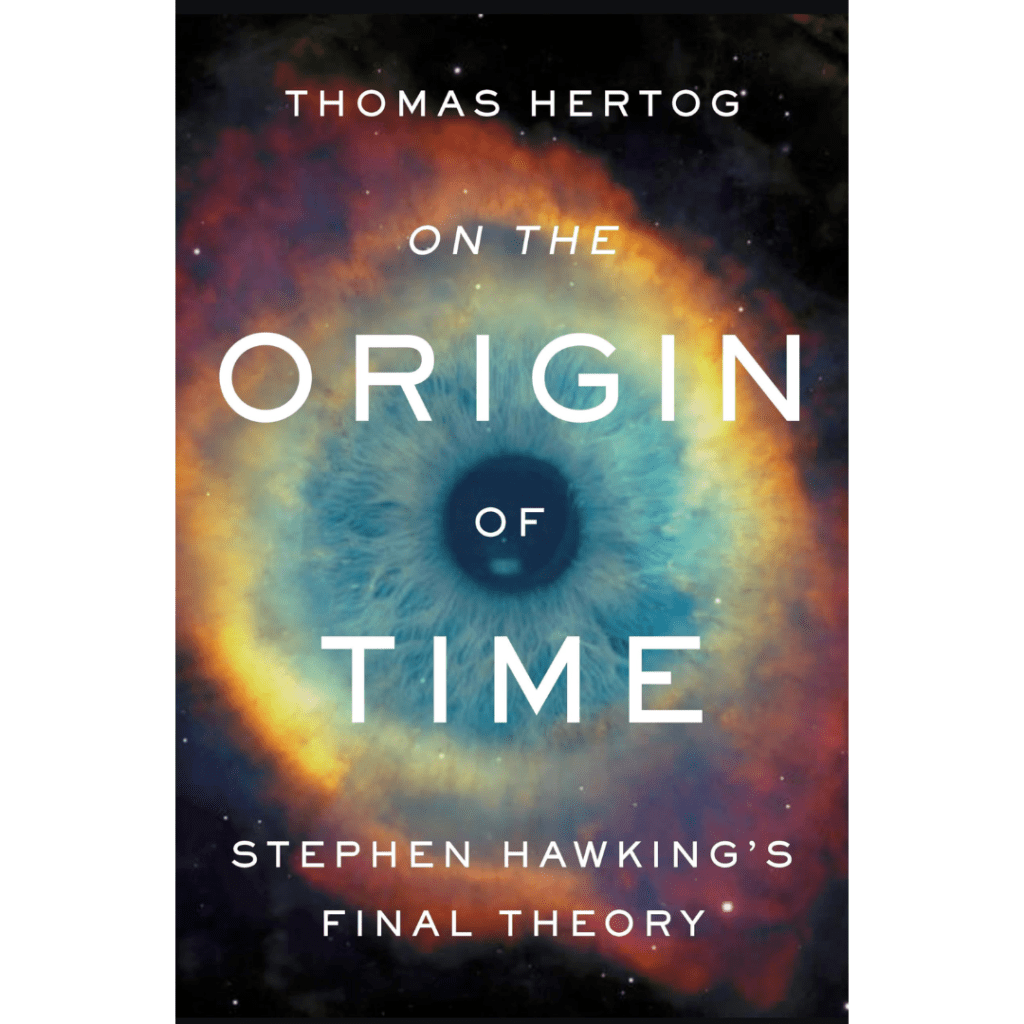
1. On the Origin of Time by Thomas Hertog
For twenty years, physicists Thomas Hertog and Stephen Hawking conducted research in the field of cosmic inflation, trying to find an answer to the question of how the universe could have created conditions so perfectly hospitable to life.
Published in 2023, On the Origin of Time introduces the reader to the theory of universe expansion, the foundation of which was laid by Einstein’s equations of general relativity.
Perhaps the most revolutionary conclusion Hertog and Hawking drew from their research is that “the laws of physics are not set in stone but are born and co-evolve as the universe they govern takes shape.”
While many might find the reading laborious due to the amount of specialty language used in the text, it’s undeniably one of those books that shape our understanding of the universe and the role humanity plays in it.
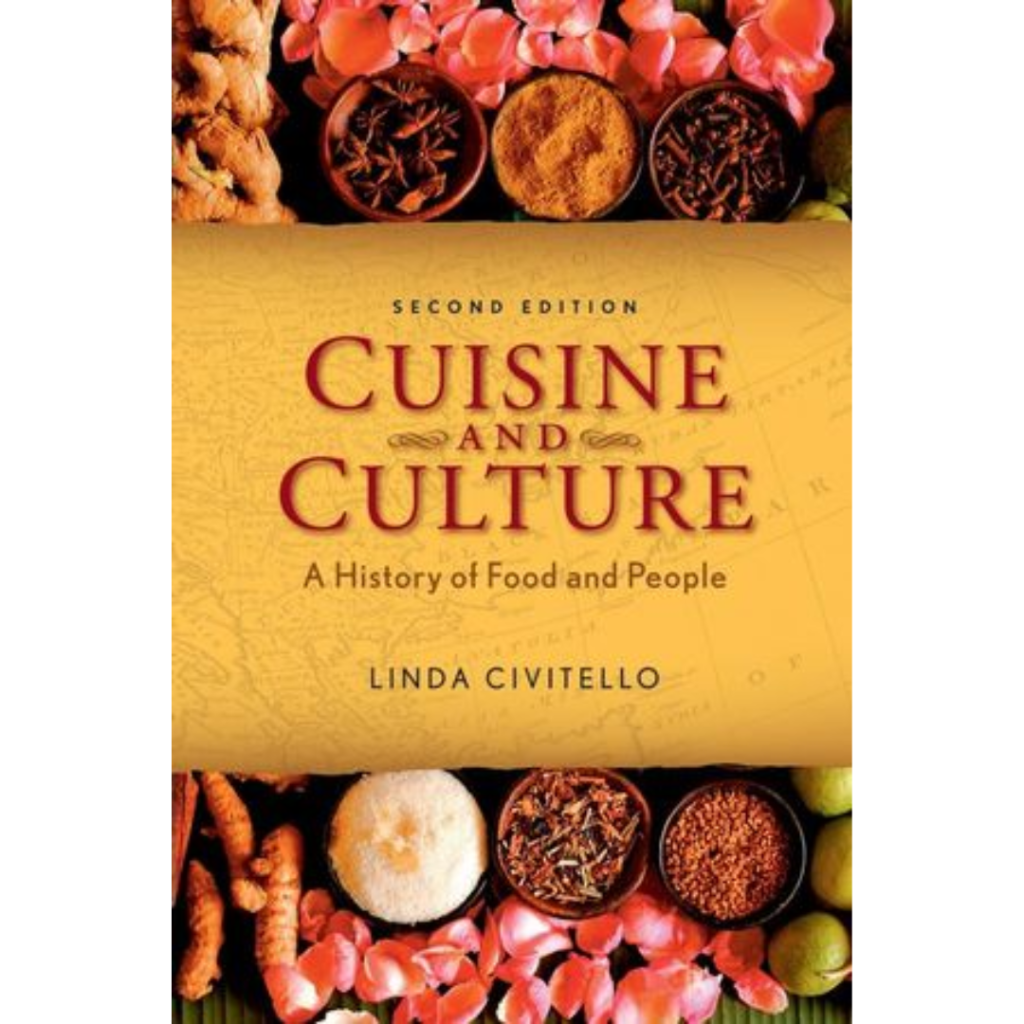
2. Cuisine and Culture: A History of Food and People by Linda Civitello
Divided into twelve ‘courses’, Linda Civitello’s handbook is a gateway to apprehension of human history from the side of nutrition and its cultural implications throughout centuries of civilization.
For me, this reading was an unexpected epiphany that came packed with interesting facts and even forgotten recipes. I was surprised to learn, for instance, that in Ancient Rome and Greece, honey was named “the saliva of the stars,” and that in the Middle Ages sugar was prescribed by doctors as a toothache treatment (dark times, indeed).
Civitello’s book invites us to give thought to what is on our plates because the roots of our meal might be older than we imagine!
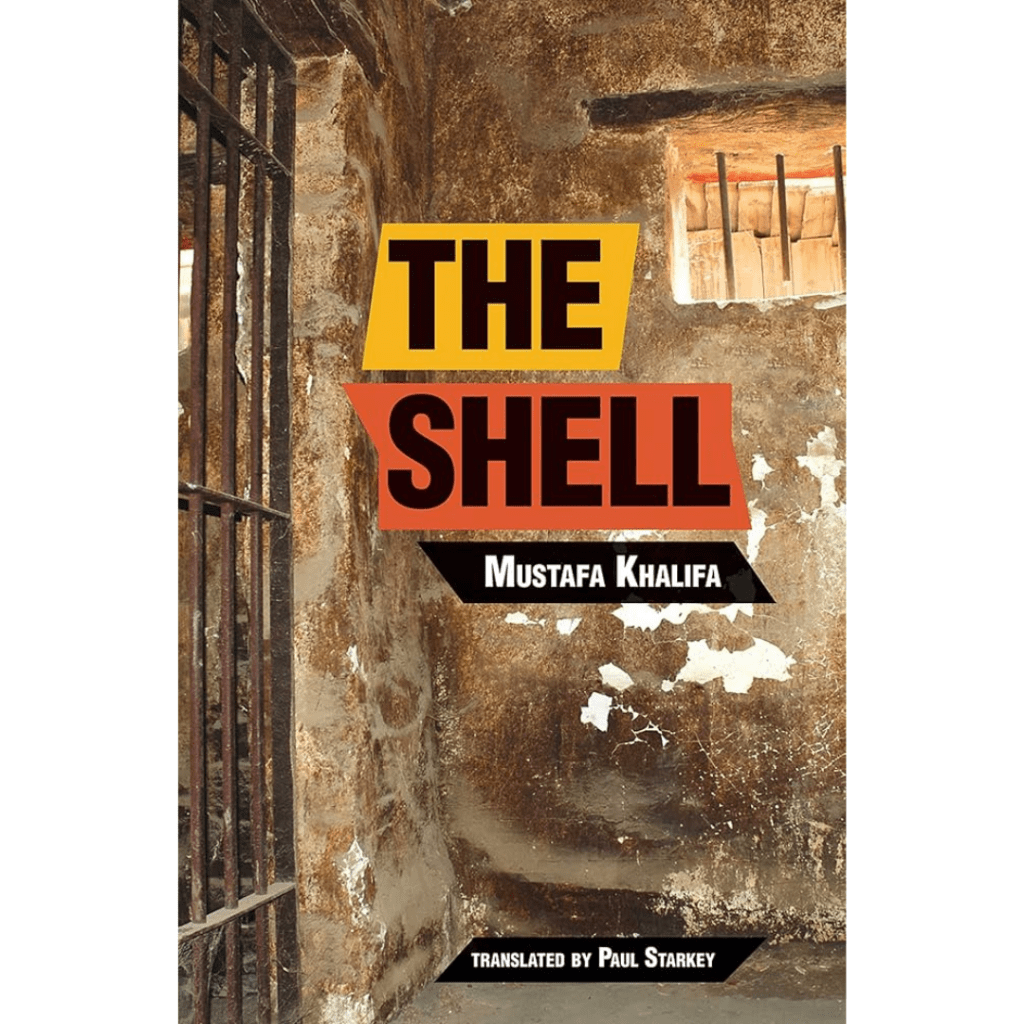
3. The Shell: Memoirs of a Hidden Observer by Mustafa Khalifa
Recommended by my husband, this memoir was a harrowing read—certainly not for the faint-hearted. The Shell is Khalifa’s testimony of Hafez al-Assad’s brutal regime in Syria.
In 1982, upon returning from France, Mustafa was arrested at Damascus airport under false accusations of being a member of the Muslim Brotherhood. Held without trial—a common practice under Assad—he spent over a decade in the infamous Tadmur Prison.
The recent coup de grâce against Assad’s regime revealed atrocities few could have imagined. Khalifa’s raw, unapologetic writing offers a searing look at survival in a place where humanity is systematically stripped away. His book is both a historical document and a reminder that regimes built on oppression will inevitably crumble.
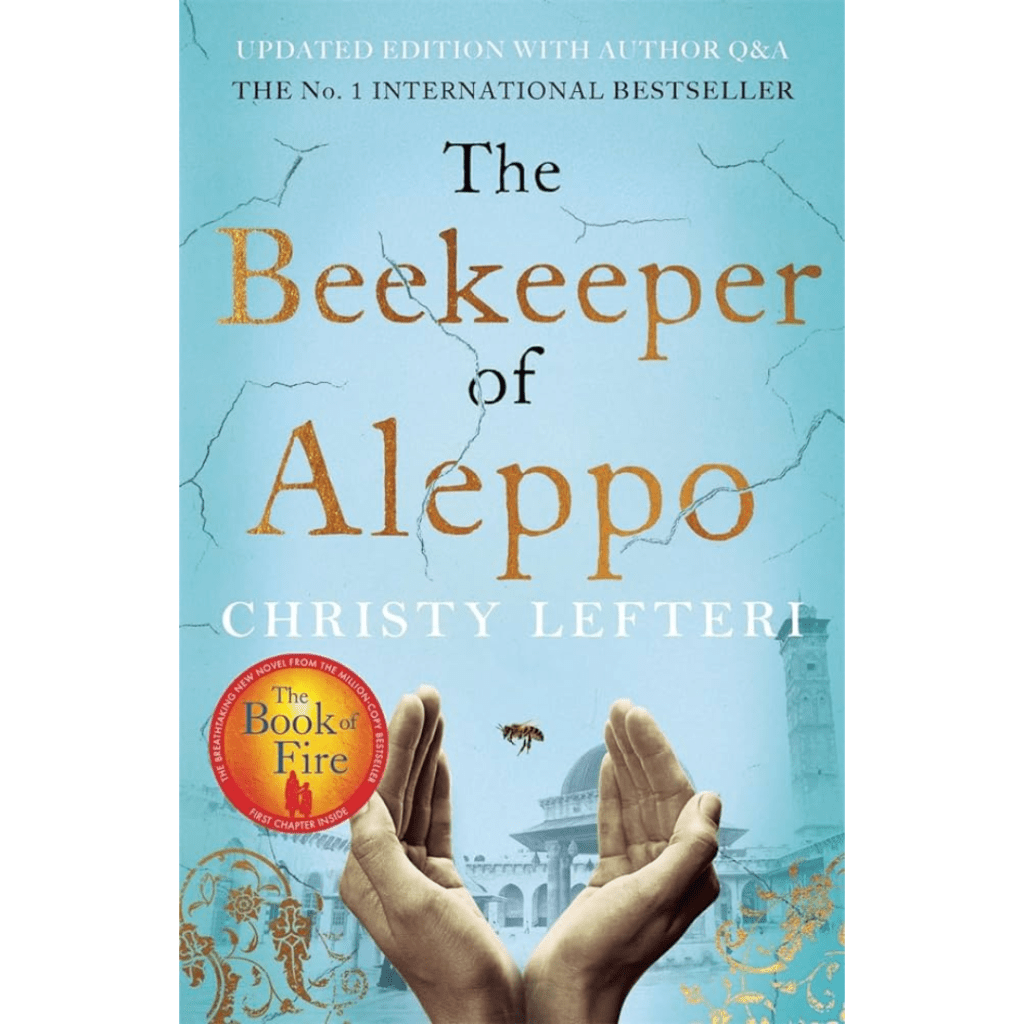
4. The Beekeeper of Aleppo by Christy Lefteri
This novel tells the story of Nuri, a Syrian beekeeper, and his wife Afra as they flee the devastation of war in search of safety in Europe. Drawing from her experiences with refugees in Athens, Lefteri vividly portrays the loss and trauma endured by those who leave everything behind.
“One night, late in the summer, vandals destroyed the hives. They set fire to them, and by the time we got to the apiaries in the morning they were burned to char. (…) I will never forget the silence, that deep, never-ending silence.”
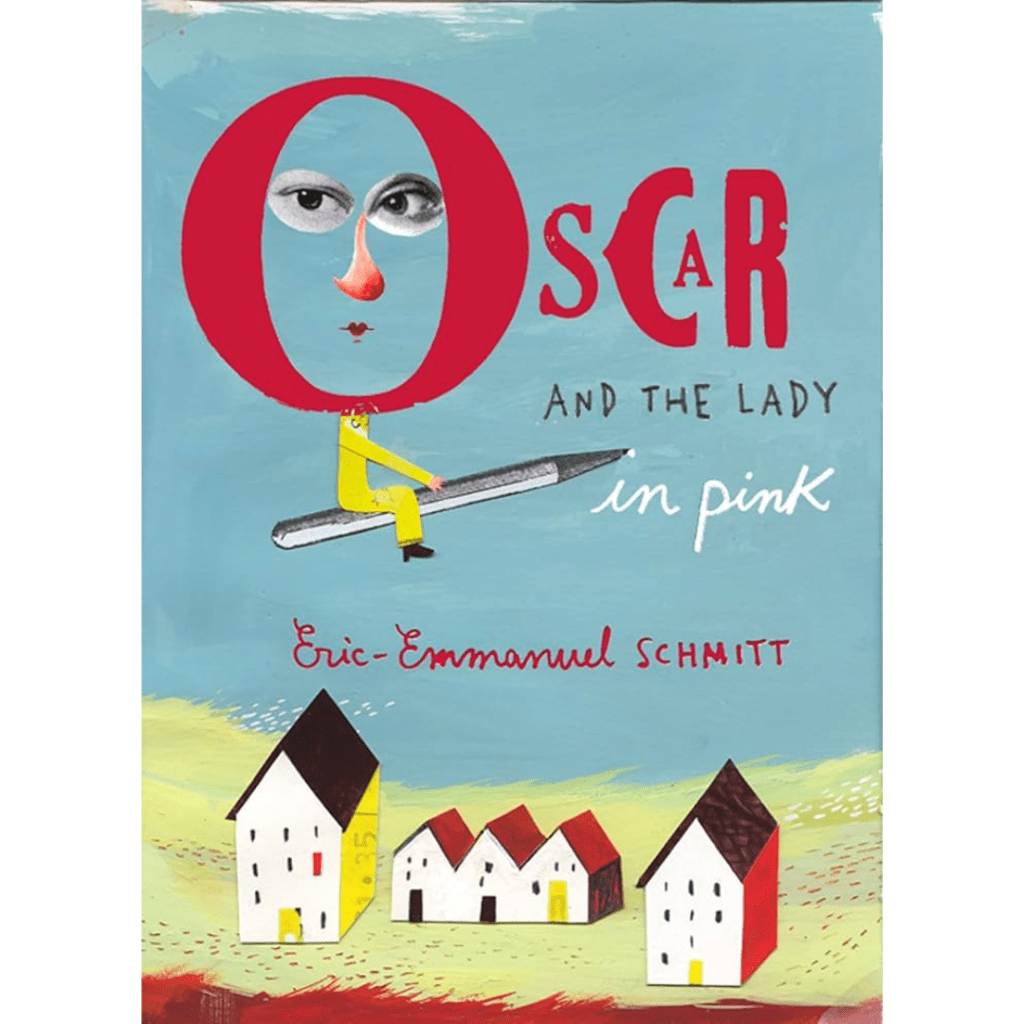
5. Oscar and the Lady in Pink by Eric-Emmanuel Schmitt
During my university years, I often passed by posters advertising the play Oscar and the Lady in Pink, wondering why so many people adore it. Only years later, I finally decided to read it.
The novella follows the story of Oscar, a terminally ill boy, and his friendship with Granny Rose, a hospital volunteer who helps him make sense of his brief life. Schmitt’s writing is simple yet profound, offering a touching meditation on life, death, and the beauty of human connection.
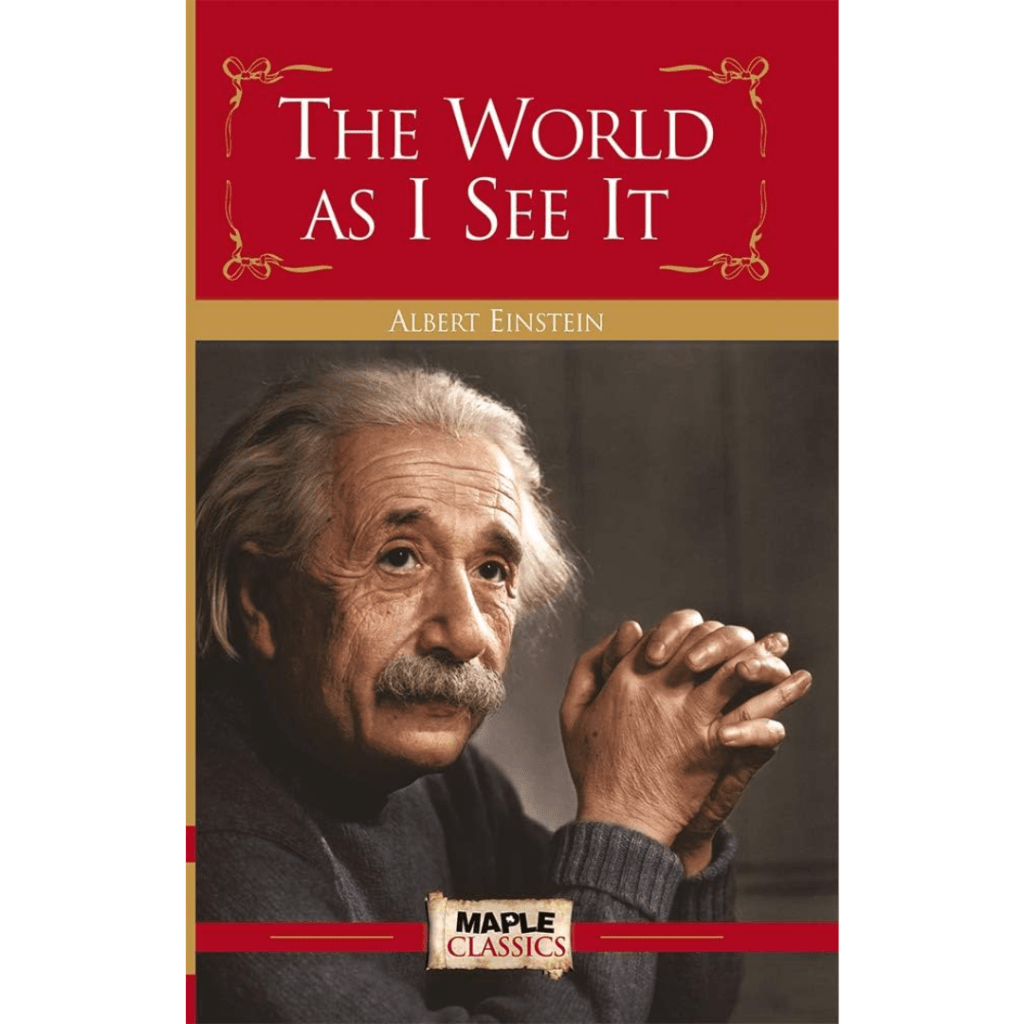
6. The World As I See It by Albert Einstein
This was my companion during summer mornings spent on the garden swing, with a cup of herbal tea in hand. A collection of essays and reflections by the renowned physicist, the book reveals Einstein’s thoughts on topics ranging from science to philosophy, religion, and politics.
“An autocratic system of coercion, in my opinion, soon degenerates. For force always attracts men of low morality, and I believe it to be an invariable rule that tyrants of genius are succeeded by scoundrels.”
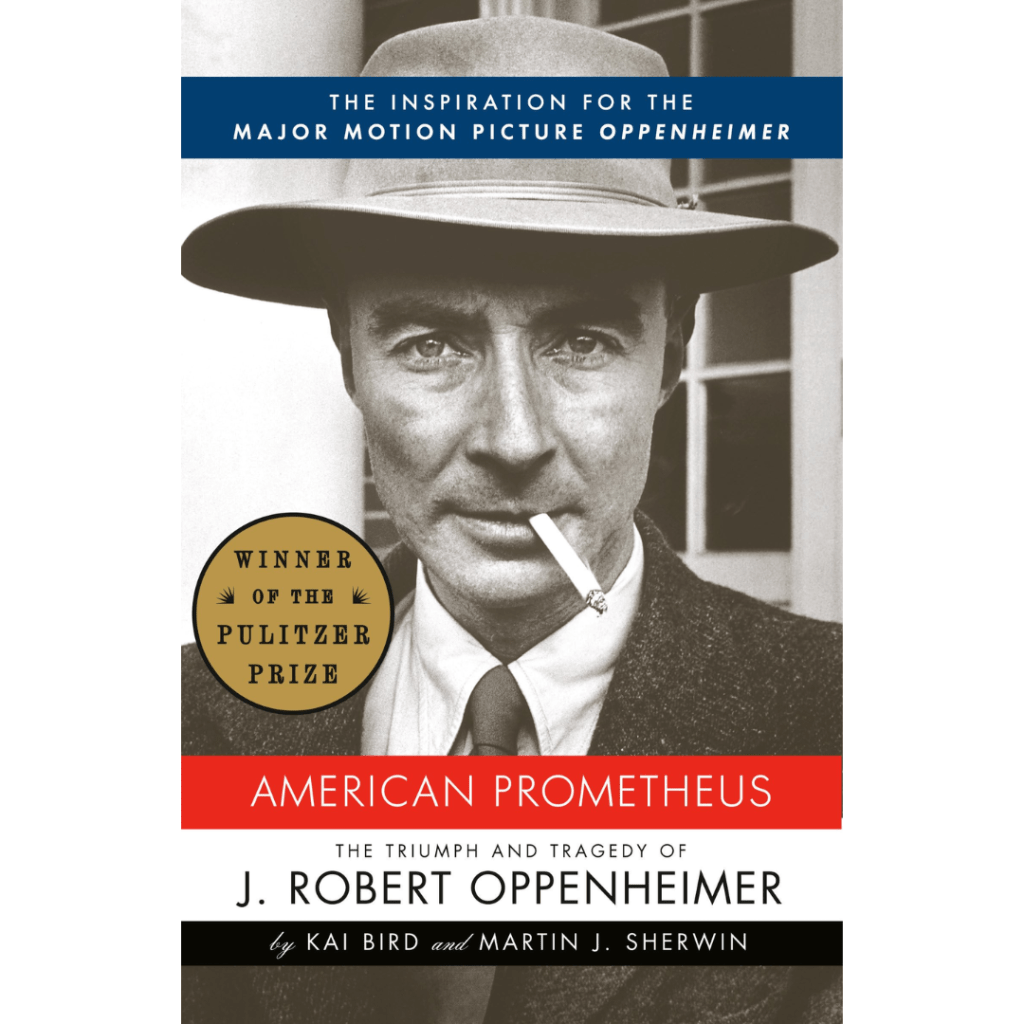
7. American Prometheus: Robert J. Oppenheimer by Kai Bird and Martin J. Sherwin
Christopher Nolan’s Oppenheimer (2023) earned seven Academy Awards this year, but we shouldn’t forget the remarkable book that inspired the film.
Published in 2005, American Prometheus chronicles the life of J. Robert Oppenheimer, the enigmatic physicist who led the Manhattan Project during World War II.
A particularly poignant chapter of the book explores the 1954 security clearance hearings, where Oppenheimer’s loyalty to the United States was questioned amid Cold War paranoia. He became a target of suspicion due to his associations with left-leaning intellectuals and his opposition to developing the hydrogen bomb.
“Oppenheimer’s warnings were ignored – and ultimately he was silenced. Like that rebellious Greek god Prometheus – who stole fire from Zeus and bestowed it upon humankind, Oppenheimer gave us atomic fire. But then, when he tried to control it, when he sought to make us aware of its terrible dangers, the powers-that-be, like Zeus, rose up in anger to punish him.”
8. We Will All Go Down Fighting to the End, from the speeches of Sir W. Churchill
Disheartened by recent events in Europe, I stumbled upon this book in a bookstore and naturally wondered what Churchill was telling the Brits to keep them steady and strong despite the catastrophe unfolding in Europe.
This collection of speeches from one of the great modern orators includes Churchill’s famous words on the declaration of war with Germany, his rousing call to the British in June 1940 after Dunkirk, and his immortal tribute to the young men fighting in the Battle of Britain.

Photo credits: Ricky Esquivel




 The Fellow's Table
Leave a comment