
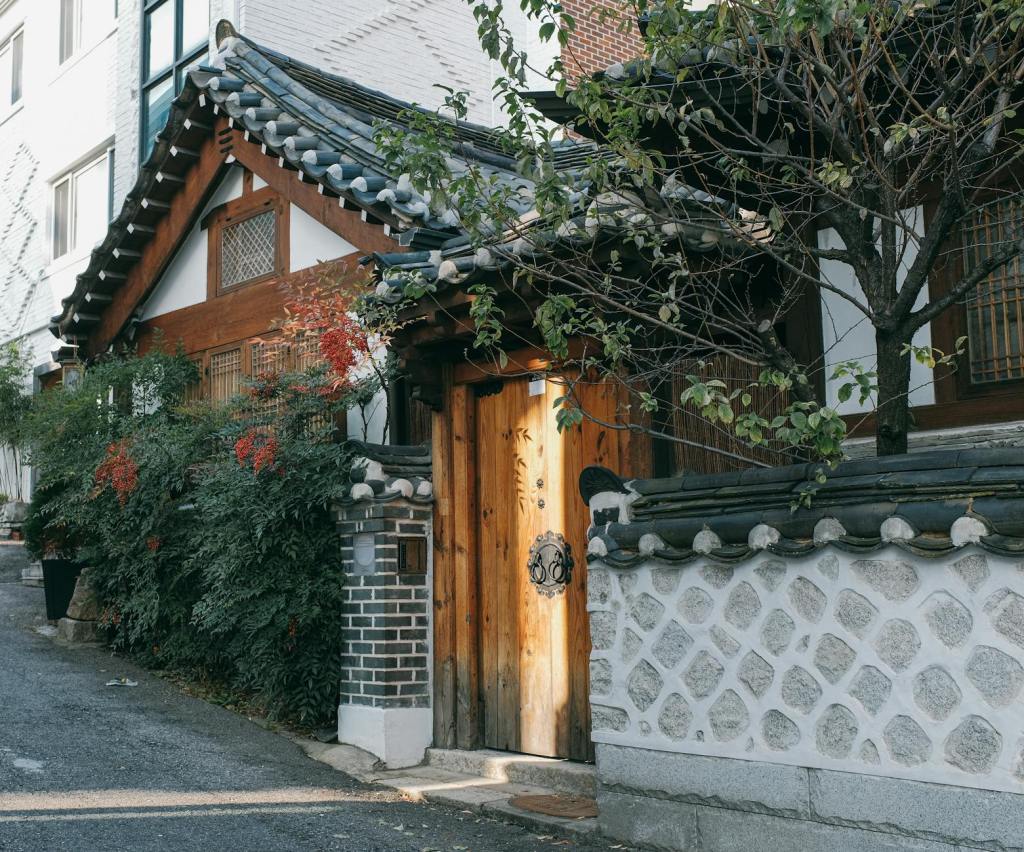
The word hanok (한옥) refers to traditional Korean houses first designed and built in the 14th century during the Joseon Dynasty.
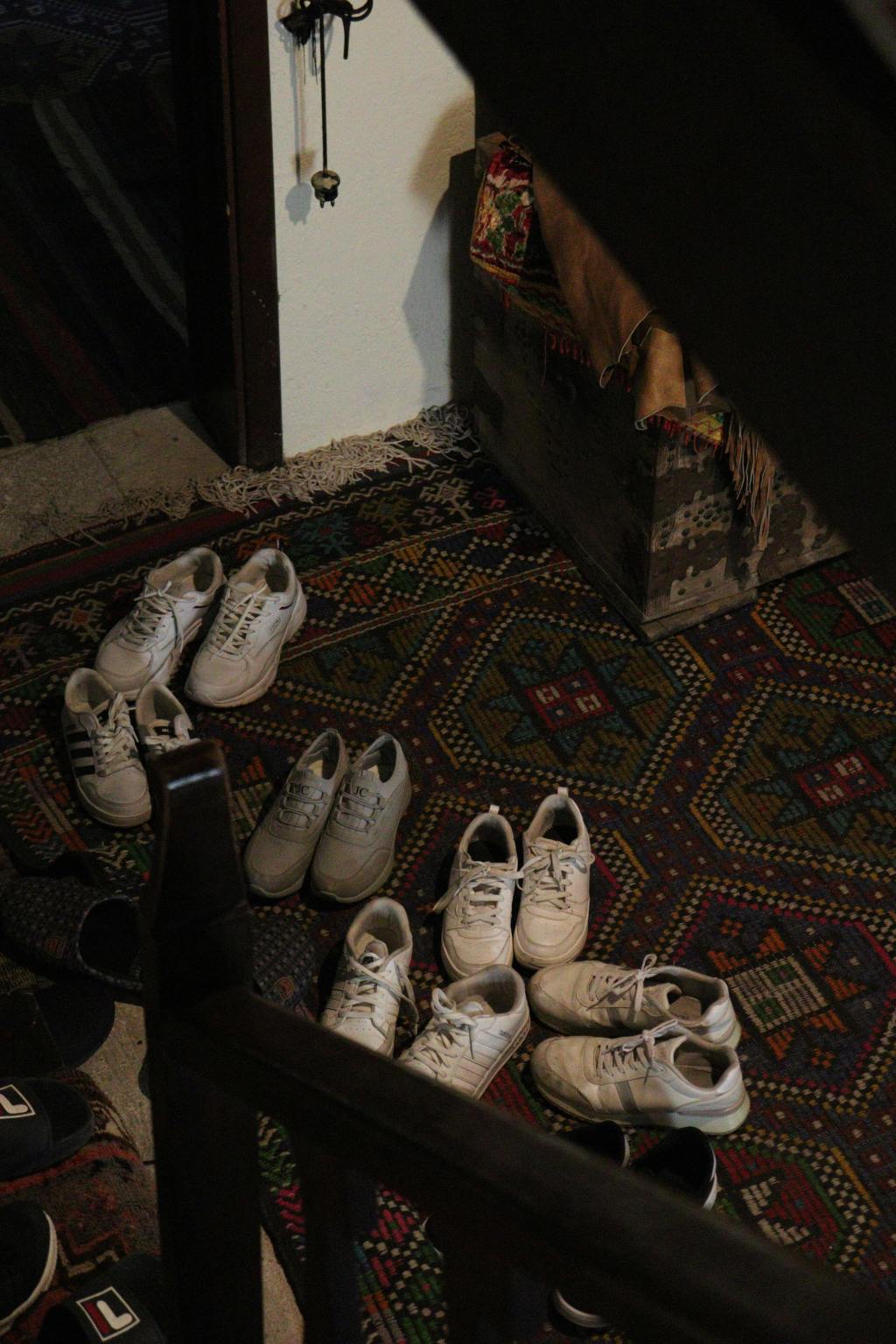
The architectural style of Korean houses is unique and ingenious. For example, the ondol (온돌) floor heating system, which ensures an optimal temperature in rooms, was invented 2,500 years ago by Koreans themselves. Ondol greatly influenced Korean culture, as people traditionally ate at low tables while sitting on cushions and slept on mats woven from natural fibers. The custom of removing shoes at the entrance also originates from the use of ondol.

Hanok houses are built using natural materials. The pillars, roof beams, doors, window frames, and floors are made of wood, while the walls are constructed from a mixture of straw and clay. The floors are coated with red clay, a material that regulates humidity and purifies the air. In the past, windows and doors were covered with hanji (한지) paper, whose thick and durable panels allowed proper ventilation inside the house.
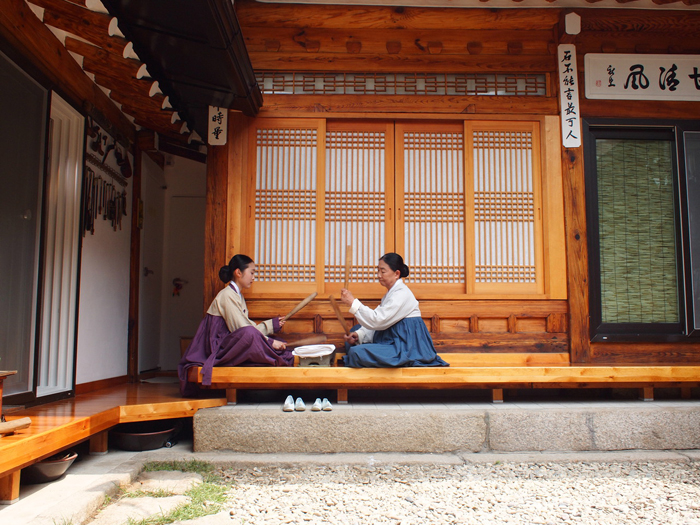
Of course, hanok houses are divided into various categories depending on the region, rank, and social class. Kiwajip (기와집) houses have black or blue tiled roofs, indicating that a noble family resides there. Influenced by Confucianism, houses were divided into separate sections for women (서쪽 – the western side) and men (동쪽 – the eastern side).
The 안방 (anbang) was considered the most secluded room in the house, located farthest from the main gate. No one other than the husband or the woman’s family was allowed to enter without permission. As it was the wife’s living space, it was also the center of household management, being connected to the kitchen. It was used to store all the keys and valuable items in the house. When a daughter-in-law joined a family through marriage, the mother-in-law usually moved to another room, leaving that space to the young bride.
The 사랑방 (sarangbang) was a room designated for men, used for study, writing poetry, and leisure activities. Koreans designed the sarangbang strictly following Confucian principles of the Joseon Dynasty. One of its features was a separate study and guest reception area for male visitors, called 사랑채 (sarangchae). Women were prohibited from entering the sarangchae, which was exclusively for men.
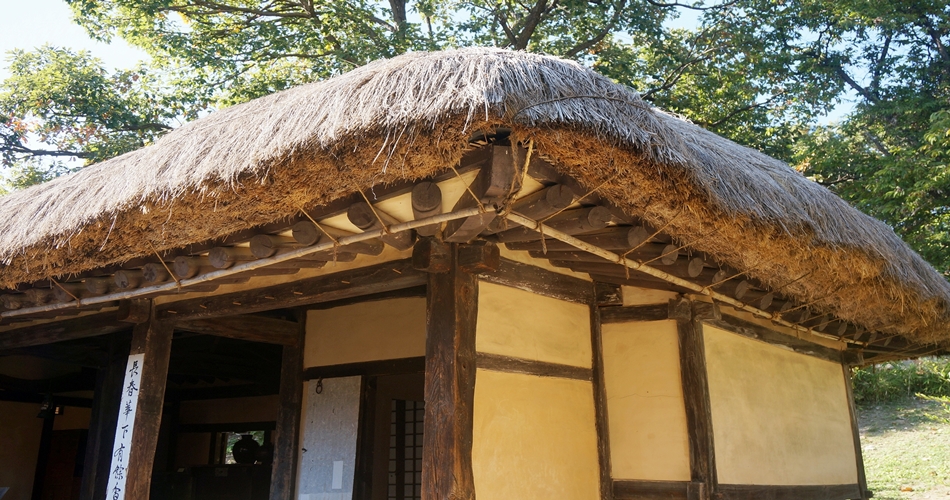
초가집 (chogajip) refers to houses with roofs made of straw or rice stalks. Since rice straw is hollow, it blocks sunlight from entering during summer and retains heat during winter. Its smooth surface prevents water absorption, though the roof required annual replacement.
굴피집 (kulpijip) – In some mountain villages, people made their roofs from oak bark. This durable material could last around 20 years, though homes with such roofs were difficult to heat during winter.
Anyone wishing to visit a traditional Korean house can head to the Bukchon area in Seoul or other cities in South Korea. The city of Jeonju, for example, is home to over 800 traditional houses and is renowned among Koreans and tourists for its traditional homes that stand in stark contrast to the modern city surrounding them. Jeonju’s relaxed pace of life, where culture and nature blend harmoniously, makes it a perfect vacation destination. After Seoul, Jeju, and Busan, Jeonju ranks fourth among South Korea’s major tourist cities.

Back to Seoul—did you know that Bukchon Hanok Village is not only a treasured tourist destination but also home to Koreans who chose to live there? Although purchasing a traditional house here is overwhelmingly expensive, people can always book a hanok home for €200-400 per night on Airbnb.
Image credits: Jakob Jin, Antique Alive, retaildesign



 The Fellow's Table
Leave a comment