
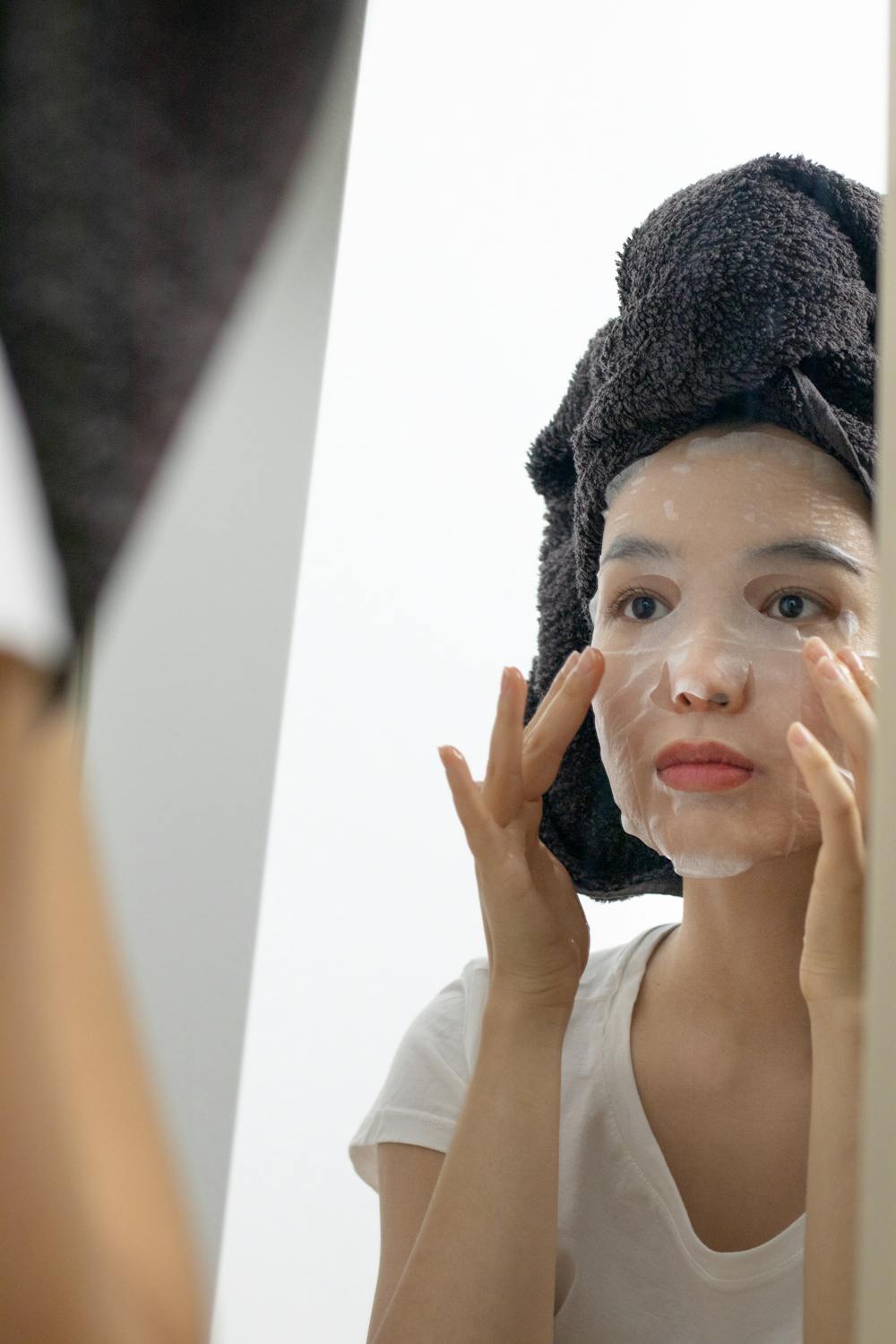
Korean skincare products have become a beloved trend among women of all ages, thanks to the global popularization of the country’s music and film industry. Although not a new phenomenon, K-beauty has gained significant awareness in recent years, primarily due to its promotion on social media platforms like TikTok, where the hashtag #koreanskincare went viral.
It should be noted that what came with the Korean wave as a worldwide trend shouldn’t be treated as a mere passing obsession of the public with anything Korean, as Korean skincare products are actually known for their excellent effects in protecting and maintaining skin health.
You may wonder what makes these products so special and different from those commonly found on the shelves of local drugstores. Korean beauty products are designed to target the skin’s microenvironment, focusing on nurturing the skin barrier with natural ingredients—unlike many Western face creams and serums.
Koreans go beyond using active ingredients such as vitamin C, acids, and retinols. Instead, they experiment with more natural components—such as bee venom, snail mucin, ginseng, and medicinal plants—that have a calming and milder effect on the skin.
However, there is something important to keep in mind when considering Korean skincare products. Some retailers promote a so-called ten-step routine, claiming that every Korean follows it. Dermatologists generally agree that this is merely a marketing tactic and caution that excessive application of skincare products can irritate the skin and cause more harm than good.
If you haven’t tried Korean skincare yet, you might feel tempted to do so. However, be aware that the majority of these products are from upmarket brands and aren’t necessarily more affordable.
Image credits: Mike Murray






 The Fellow's Table

Leave a comment