
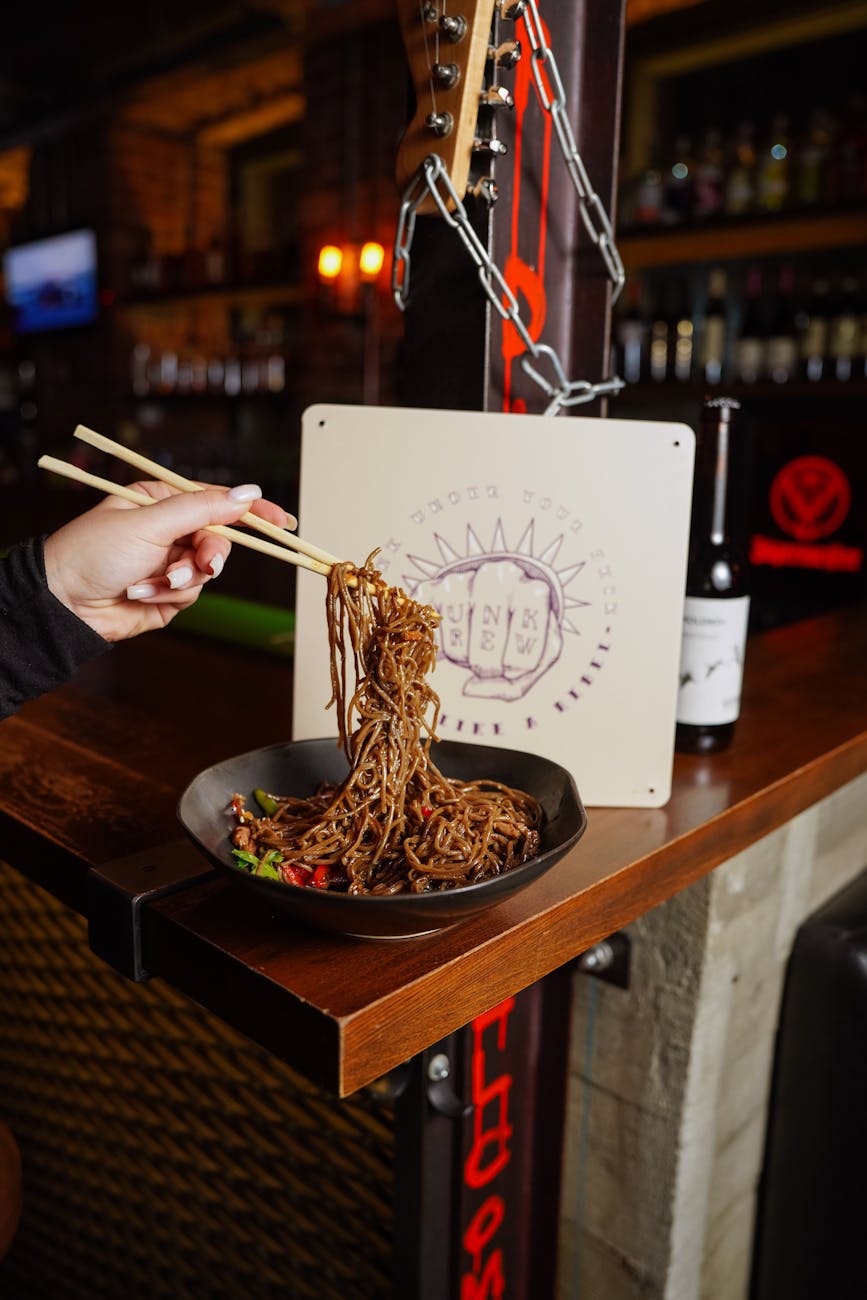
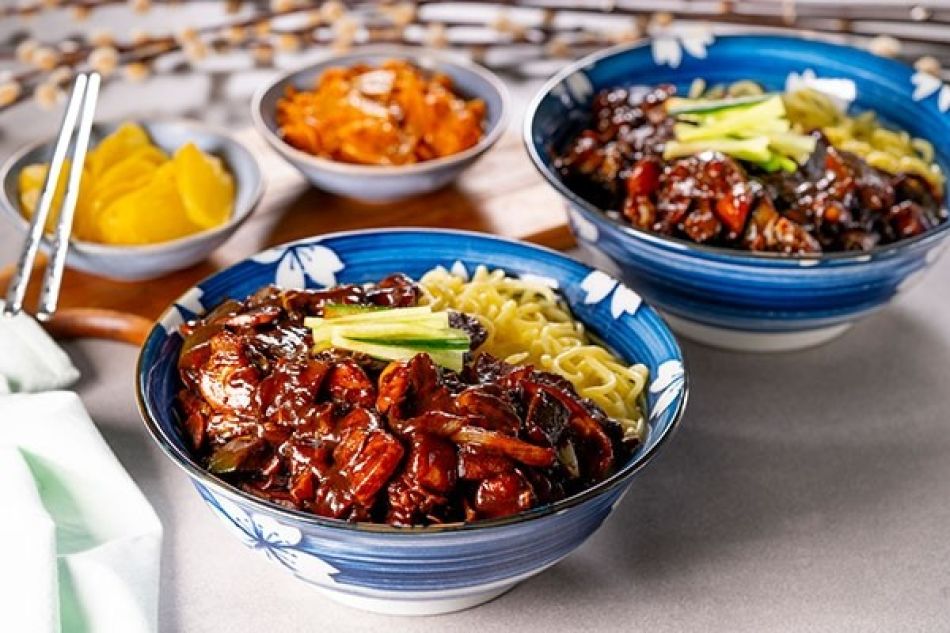
In South Korea, April 14th has become an unofficial ‘celebration’ of singlehood, known as Black Day, when single people gather with friends to eat black noodles together, symbolizing shared consolation over not being in a romantic relationship.
The custom of eating the black noodle dish—jajangmyeon (짜장면) in Korean—on April 14th is mainly the result of commercial branding and the influence of K-pop culture. In fact, the date is part of a wide range of celebrations that take place throughout the year, all centered around love and relationships.
Alongside spicy red broth noodle soup and sweet-and-sour pork, jajangmyeon is part of the Korean-Chinese cuisine. They were developed by Chinese immigrants in Korea and have become an essential part of Korean food culture over time.
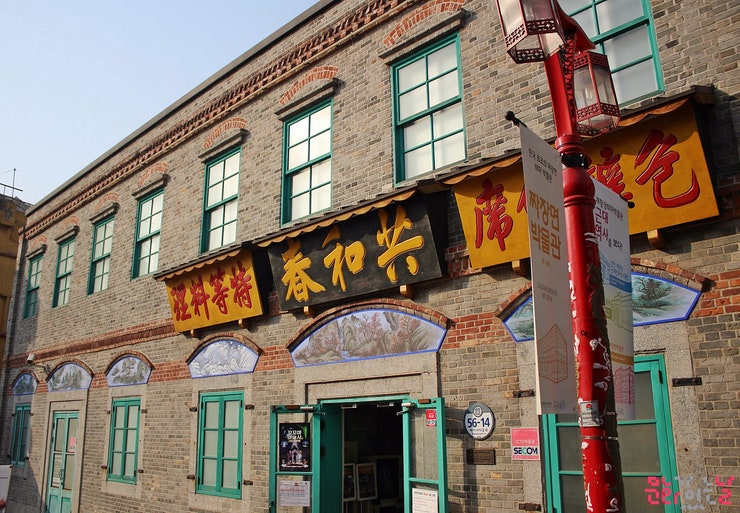
The origins of jajangmyeon date back to 1905, when the dish was first served at a Chinese restaurant called Gonghwachun, which has since been converted into a museum. The dish is prepared on numerous occasions and is even commonly ordered for delivery—just like pizza in Western countries. Parents often cook it for their children’s birthdays, exam days, or graduations.
One of the main ingredients in jajangmyeon is the black bean paste—chunjang (춘장)—a thick, dark brown paste made from fermented flour, soybeans, and caramel sauce. This ingredient is primarily used in Korean-Chinese dishes.
Depending on the brand, chunjang can vary in saltiness, acidity, or sweetness. The paste is not mixed directly into the noodles. First, it must be stir-fried in oil in a pan, after which meat and vegetables are gradually added. This process enhances the sauce’s flavor.
Finally, although jajangmyeon sounds easy and quick to make, you probably know that, as with most Korean dishes, essential ingredients—often only available in specialized stores—are required.
Image credits: Amazing Oriental, Naver





 The Fellow's Table
Leave a comment